

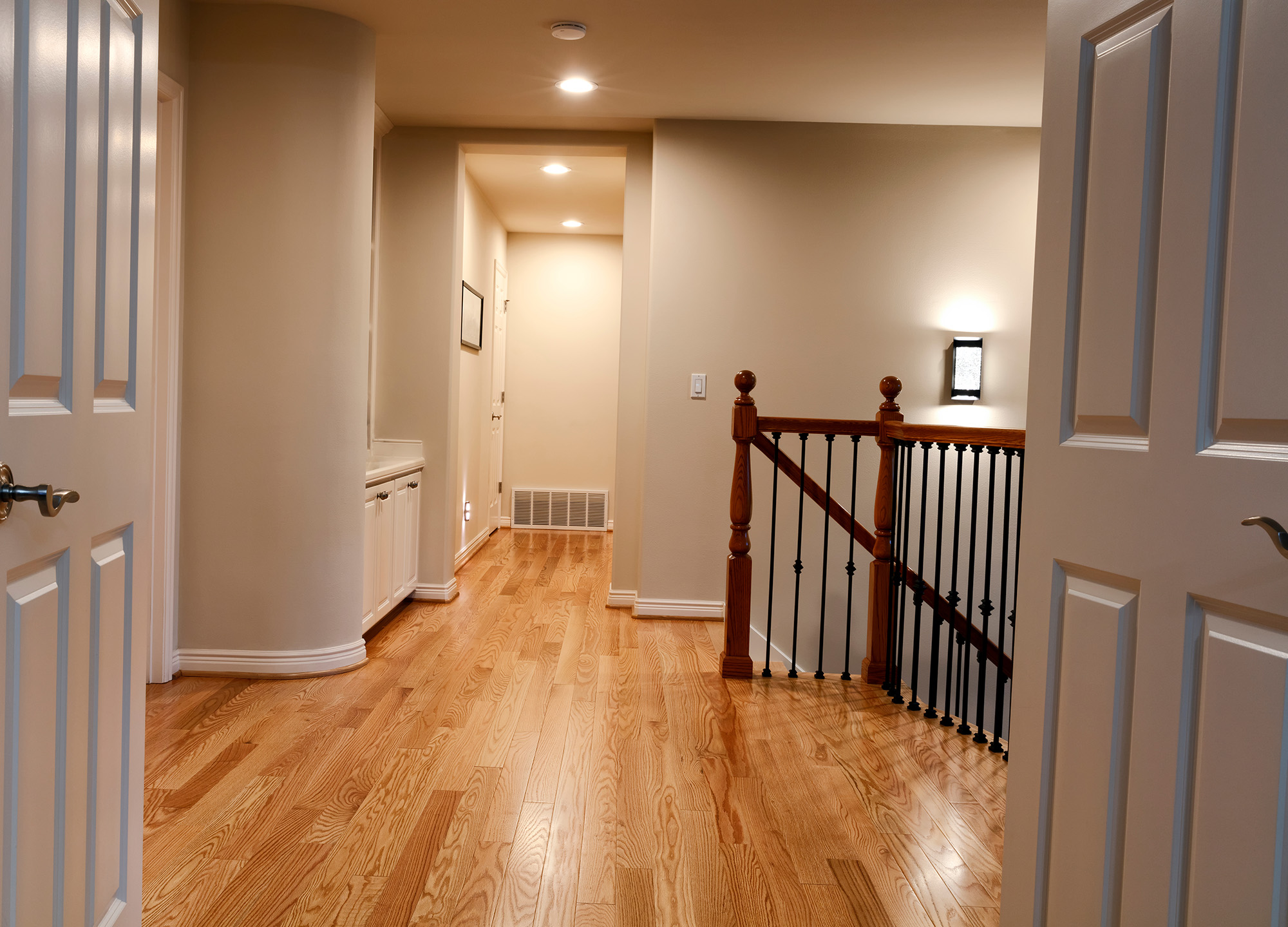
Condo life along Central Park Place and Pine Island Road puts you minutes from the heart of Broward County, with quick access to local shops, neighborhood parks, and easy highway commutes. Shared walls and stacked floor plans mean everyday footsteps travel fast between upstairs and downstairs neighbors. A switch from older carpet to modern laminate flooring gives your living room a clean, contemporary look that reflects natural South Florida sunlight. Multi-story condo associations enforce strict acoustic impact standards before approving new hard surface projects. A dedicated acoustic underlayment dampens footstep impact, softens everyday household sounds, and keeps your project compliant with local association bylaws.
Acoustic Ratings in Multi-Story Broward Buildings
Condo boards across Plantation set specific sound transmission thresholds to preserve peace throughout the building. Property managers review acoustic lab ratings before granting architectural approval for hard surface installations.
Two primary metrics determine acoustic performance:
Impact Insulation Class: IIC ratings measure how well a floor assembly blocks impact sound, such as heavy footsteps, pet claws, or dropped objects, from vibrating through the concrete floor into the unit below.
Sound Transmission Class: STC ratings evaluate how effectively an entire ceiling and floor system stops airborne noise, such as television volume, loud music, or dinner party conversation.
Most Broward County residential towers call for minimum field ratings between 50 and 55, while upscale mid-rise communities often set their baseline at 60 or higher. Standard attached pad backings on budget planks rarely satisfy these standards on their own.
Concrete Subfloors and Sound Conduction
Multi-story residential buildings in South Florida feature thick structural concrete subfloors. Concrete provides exceptional fire resistance and structural support, but raw concrete transfers impact vibrations across building frames like a tuning fork.
Rigid laminate laid directly over bare concrete creates an echo chamber. Every hard shoe sole, dropped utensil, or sliding dining chair sends sound waves downward into the living room underneath your unit. High-density acoustic underlayment creates a soft barrier that breaks physical contact between the floating laminate planks and the rigid slab. This physical separation absorbs footstep energy at the surface before vibration travels into the concrete.
The Right Laminate Underlayment Options
Laminate planks float over subfloors without glue or nails, clicking together along machined edges. The material sitting beneath those boards dictates how quiet your home feels and whether your building manager signs off on the installation.
Recycled Felt and Dense Fiber Mats
Dense synthetic fiber pads compress under heavy weight without collapsing over time. These fibrous mats excel at deadening low-frequency thuds from active children and busy morning routines. The heavy density also gives floating planks a solid, grounded feel underfoot that mimics traditional nailed-down hardwood.
High-Performance Acoustic Foam
Cross-linked polyethylene foam uses sealed micro-cells to trap impact sound within the core of the pad. These closed-cell underlayment rolls include attached vapor barrier films that protect your laminate against concrete slab moisture while dampening ambient echo in open great rooms.
Natural Sound-Deadening Cork
Granulated natural cork provides dependable impact absorption through thousands of microscopic air pockets per square inch. Cork retains its shape over decades of heavy foot traffic and resists mold growth in humid South Florida air. Many older Plantation condo properties specifically recommend cork underlayment based on proven historic sound performance.
Practical Steps for Board Approval
Architectural approval from your association committee takes a little organized planning before delivery trucks arrive.
Early paperwork prevents sudden project halts and expensive fines.
Review current association bylaws: Check your property management packet for the exact IIC and STC numbers demanded for your specific building tier and floor level.
Collect manufacturer acoustic cut sheets: Keep official lab testing documents on hand that prove your chosen underlayment meets or exceeds the specified rating over your exact slab thickness.
Verify perimeter isolation details: Install flexible perimeter foam strips along baseboards to prevent floating laminate from touching drywall, which stops sound from bridging sideways into adjacent walls.
Find the Right Laminate for Your Home at Floors Direct
Floors Direct buys direct from top flooring manufacturers and passes volume savings directly to you, providing premium laminate and high-performance sound underlayment at honest bottom-line prices without retail middleman markups. Our experienced team helps you review acoustic specification sheets, navigate local condo association standards, and choose durable flooring built for busy South Florida living.
Visit our Plantation showroom to review quiet laminate options in person, or contact us to plan your next interior update.


